
Tree services in Chesapeake, VA
Plan removal, tree trimming or fallen-tree cleanup using the local checks below. For service scope, start with tree removal, trimming and pruning or storm damage work.
Tree services in Chesapeake



Virginia tree-work decisions
Chesapeake's tree policy draws useful boundaries around the trunk, public right-of-way and drainage easements. Establish which part of the problem belongs to the City, then commission the private assessment, cutting and hauling still needed. A bulk collection request does not make contractor debris eligible.
Use the trunk location to frame responsibility
The City tree-removal policy defines City-owned trees by the trunk, or its center, being within City right-of-way or on City property. Confirm that location when responsibility is uncertain; a canopy extending over a yard is not the same thing as a privately owned trunk. Use a survey or ask for City clarification rather than measuring from the edge of pavement and guessing.
Send a sketch showing the trunk and the portion causing concern. Describe whether the tree is standing, fallen, broken or obstructing a drain. Ask what part the City will inspect or address and what remains private. Keep the answer with your work brief so a hired crew understands the boundary of its assignment.
A fallen tree can become two work scopes
For a privately owned tree that falls into City right-of-way, the policy assigns the portion within the right-of-way to City removal and the remainder to the property owner. Similar care is needed where a private tree obstructs public drainage: the policy addresses the obstructing portion within the City's easement, not the entire tree everywhere it lies.
That distinction should change the request you send to a contractor. Ask for assessment and removal of the remaining private portion rather than duplicating public work or assuming the City will finish the yard. Confirm who will handle connecting sections before either operation proceeds. Do not enter an unstable area to separate the portions yourself.
Select assessment, pruning or complete removal
A private tree concern needs a recommendation tied to an observed condition or project objective. Ask whether retention, targeted pruning or complete removal meets it. Mark each tree on a photograph and request separate findings where their conditions differ. The contractor's ability to haul wood does not establish that whole-tree removal is the right decision.
For pruning, specify the branch conflict and the crown you want to retain. Chesapeake's policy distinguishes broken limbs over City right-of-way from City-tree branches merely overhanging private land. Ask staff about the actual situation before commissioning public-tree work; the policy should not be reduced to a promise that the City trims every branch hanging over a garden.
Check private-project conditions before booking
Where removal or access is connected to development, a protected area or an existing landscape plan, ask the appropriate City office about the parcel and proposal. The City permit FAQs explain that some Chesapeake Bay encroachments are treated differently and applicants should consult Planning about the appropriate route. Those development procedures are not a blanket rule for every individual tree.
Give the reviewing office and estimator the same scope, including stump treatment, machine route and intended surface afterward. Ask who obtains any required permission and what conditions must be settled before mobilization. A tree decision, a permit decision and a price are three different pieces of the project, even when one firm helps coordinate them.
Separate household collection from contractor hauling
The bulk tree and yard-debris rules exclude limb debris trimmed or removed by a contractor. Have a hired service include loading, hauling and accepted disposal. Do not plan to convert its wood into household waste simply by having it cut smaller or moved to a different curbside location.
For eligible household material, the page limits the yard pile to four feet wide, four feet high and six feet long, with branch dimensions also restricted. Large tree/yard debris requires a request; qualifying bagged yard material follows a different route under Waste Management instructions. Confirm both origin and preparation before relying on ordinary pickup, and keep household bulk items separate from yard debris.
Make storm and finish requirements explicit
Chesapeake's tree policy says normal residential collection may be suspended for operational demands, and severe-weather instructions can be published separately. Check the current notice for the actual event. A prior mass pickup does not establish a new storm entitlement or erase exclusions for hired work.
Before signing an estimate, agree on retained logs, stump status, grindings, protected surfaces, hauling and restoration. For a possible household self-haul, check SPSA's regional restrictions on load, vehicle and receiving location. Ask the contractor to explain any changes in writing and keep a final remaining-work list. That makes a partial public response and a private job fit together without either being mistaken for full-property completion.
Questions about this work
Does the City remove the whole private tree if part falls into a road?
The policy addresses the portion within City right-of-way and leaves the private remainder to the owner. Confirm the actual boundary and coordinate the remaining private work.
Is any bagged tree waste accepted without a request?
No. Bagged qualifying yard material and bulk limbs have different rules, and contractor limb debris is excluded. Ask Waste Management about the material and its origin before set-out.
Is a City tree defined by where its branches extend?
The published definition uses the trunk or center of the trunk within City right-of-way or City property. Have uncertain locations confirmed rather than infer ownership from canopy overhang.
Nearby field guides
Great-circle distances between GeoNames place points, not driving distances or service coverage. Showing up to eight nearest published guides.
Preparing your local map…
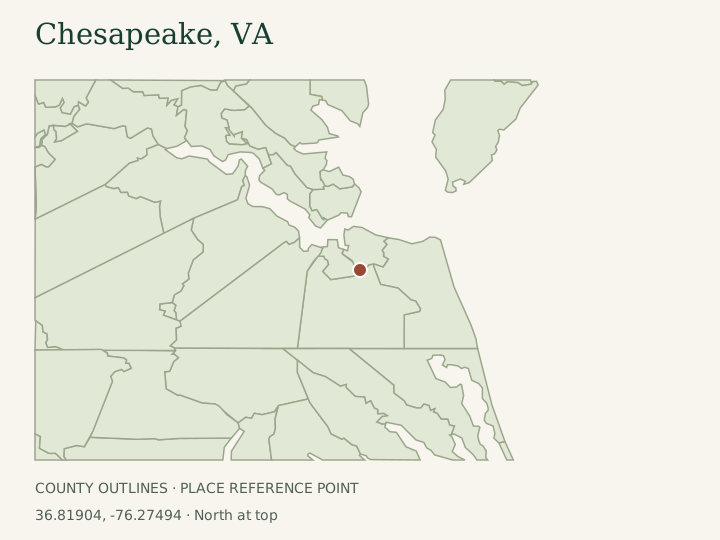
The map loads automatically as you approach it. City links work without JavaScript.
Distances between GeoNames place points, not driving distances or service coverage. US Census January 2025 state/county boundaries, not municipal limits. Points: GeoNames, CC BY 4.0. Map interface: Leaflet.