
Tree services in Takoma Park, MD
Plan removal, tree trimming or fallen-tree cleanup using the local checks below. For service scope, start with tree removal, trimming and pruning or storm damage work.
Tree services in Takoma Park



Maryland tree-work decisions
Takoma Park tree services require attention to more than removal. Urban Forest Tree protections can also affect pruning, equipment access, and work near neighboring trees. Start with the Urban Forest Manager's process, define the problem you need solved, and confirm the material route before accepting a cutting or cleanup estimate.
Recognize which trees enter the local process
The city's Tree Permits page defines Urban Forest Trees through both size and protected status. Its size test uses trunk circumference at a stated height, while other trees qualify through planting requirements, agreements, or government programs. A small tree is therefore not automatically outside all protection.
Give the city the address, tree location, approximate measurement, and any recorded planting or protection documents. Include nearby trees that could be affected by the work. A Takoma Park postal address should be checked against municipal jurisdiction; nearby Maryland locations and the District of Columbia do not share one interchangeable procedure.
Separate removal from impact assessment
The removal process requires written permission for protected private trees before ordinary planned removal. The impact assessment page covers activities that can damage living canopy, roots, soil, or water uptake. A removal permit and a protection-plan process answer different questions and should not be assumed to replace each other.
Tell staff the whole project, including machinery, storage, excavation, and any later building work. A tree can remain standing while its root area is damaged by access. Ask which applications and conditions apply before committing to an equipment route or promising the contractor an unrestricted working area.
Make the professional recommendation specific
Describe the branch conflict, apparent defect, or site objective in terms an assessor can investigate. Ask whether selective pruning or another management approach can meet it. A large tree, falling leaves, or a stable old lean alone does not establish an emergency or a need for removal.
Use Maryland's Licensed Tree Expert resources to check the responsible person and company. For an assessment, request the observations, uncertainty, and reasoning behind the recommendation. The city makes its own permitting determination; an estimate or professional opinion does not itself authorize cutting.
Include adjacent trees and access in the brief
The city's impact guidance considers tree effects beyond the applicant's own property. Show neighboring trunks, shared access, gates, paths, and storage areas on a sketch. Explain where a lift, truck, or chipper would operate and how wood would leave the site. Do not wait until the crew arrives to reveal a constrained entrance.
Ask what protection must remain in place through stump work or construction after the first visit. If a Tree Protection Plan is required, use the city's response to develop the plan rather than guessing its contents in advance. Keep the accepted route and limits in the contractor's work order.
Plan a material route that matches the service
The yard-waste program serves single-family homes and most small apartment buildings, with ordinary collection on Mondays subject to holiday changes. Prepared brush has strict dimensions; that stream is not evidence that a complete removal's logs or stump will be accepted.
Tell Public Works the origin, amount, and dimensions if you intend to use city collection. Ask the contractor for a separate complete-hauling option and identify what remains if you choose resident-managed disposal. Specify wood, chips, stump grindings, and soil separately. Keep material out of roads, drainage routes, and access areas while awaiting an accepted collection.
Keep emergency work within its documented purpose
The current emergency guidance ties action before a removal application to a qualified Maryland Licensed Tree Expert's finding of imminent failure and high or extreme risk. It also requires notification to the Urban Forest Manager as soon as time allows. An old lean or a dying tree is not automatically in that category.
Keep clear of active failure and electrical hazards; contact emergency services or the line operator as appropriate. Once danger is controlled, obtain a written record of the work completed and remaining review or recovery. Compare final removal, pruning, hauling, and restoration as separate tasks rather than expanding an urgent visit into an undefined whole-property contract.
Questions about this work
Does size alone determine whether a tree is protected?
No. The city definition also includes trees protected through specified agreements, planting conditions, and government programs. Give staff the property's relevant documents as well as measurements.
Is a removal application enough for work near other trees?
Not necessarily. Ask about impact assessment and any protection-plan requirements for access, excavation, storage, or canopy effects on retained and neighboring trees.
What information makes quotes comparable here?
Use the same tree identification, city direction, access constraints, protection measures, material destination, and final surface condition. Assign permit coordination and follow-up planting explicitly.
Nearby field guides
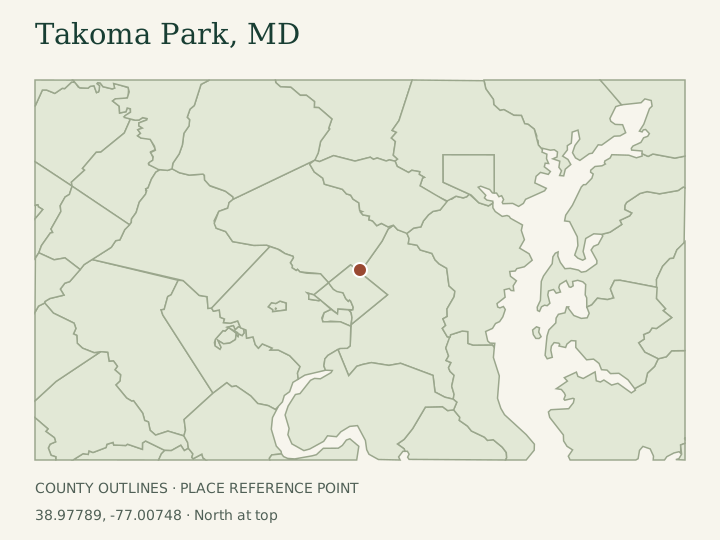
Great-circle distances between GeoNames place points, not driving distances or service coverage. Showing up to eight nearest published guides.
Preparing your local map…
The map loads automatically as you approach it. City links work without JavaScript.
Distances between GeoNames place points, not driving distances or service coverage. US Census January 2025 state/county boundaries, not municipal limits. Points: GeoNames, CC BY 4.0. Map interface: Leaflet.