
Tree services in Austin, TX
Plan removal, tree trimming or fallen-tree cleanup using the local checks below. For service scope, start with tree removal, trimming and pruning or storm damage work.
Tree services in Austin



For an Austin tree project, check regulated-tree review before booking removal or substantial pruning. Then decide separately how the material will leave the property: eligible public brush collection and contractor hauling are different scopes.
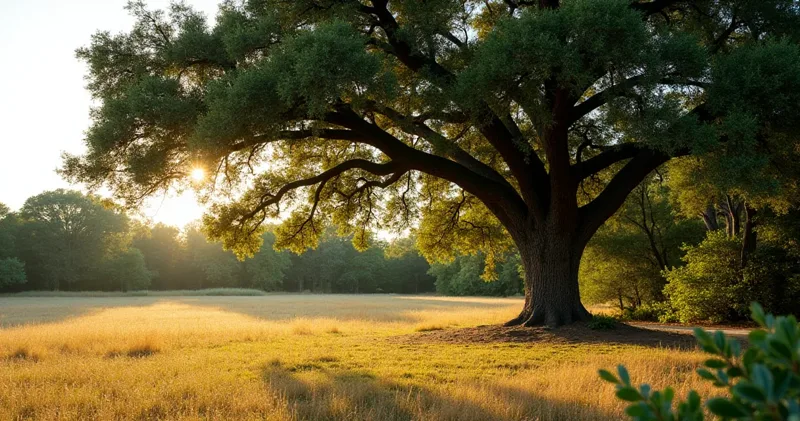
Start with Austin residential tree review
Austin’s residential guidance says regulated trees require a permit to remove or impact. Its Tree Ordinance Review Application process covers removal, pruning of 25 percent or more of the canopy and activities that may disturb a regulated tree’s critical root zone. Begin with the city’s Trees on Residential Property page rather than assuming a tree inside your fence is unregulated.
Ask the reviewing authority which trees and parts of your project fall within that process. A removal request and a nearby construction project can raise different questions. Give the professional the full planned scope, including access and ground disturbance, so the review is based on the work you intend to authorize.
Do not turn the pruning percentage into permission for every smaller job. Tree classification, the property and other proposed impacts still matter. If the scope is uncertain, get the city’s answer before committing to a date.
Keep the application and work agreement connected
The city’s page describes both tree review associated with another permit and a standalone route through Austin Build + Connect. Use the route that fits the actual project. Ask who will prepare any tree information, submit the application and respond to review comments.
Make those responsibilities visible in the contractor’s proposal. If approval imposes conditions, give the supervising crew the approved documents rather than only the original quote. A submitted application is not the same as an active approval.
For a project involving several trees, use consistent tree labels in photographs, plans and the work order. That helps distinguish a tree to remove from one to retain or protect. Ask the assessor to explain any mismatch before the crew arrives.
Choose the Austin material route before cutting
Austin Resource Recovery’s on-demand collection guidance distinguishes larger brush from small branches handled through weekly composting. The program is for eligible residential customers, with specified additional district eligibility. Verify the account and appointment rules for the property before assuming the address qualifies.
The published set-out guidance includes length, trunk-size and clearance requirements. Follow the current source when arranging a pile, and ask the tree company who will prepare material to those specifications. Public collection does not perform the standing-tree removal that produces the pile.
If private hauling is part of the quote, describe what leaves: brush, larger wood, chips and any stump material. If you retain wood, identify its destination on the property. Do not leave the outcome at “cleanup included” when you need a usable yard afterward.
Build an Austin project brief around two decisions
Your first decision is the tree work: assessment, defined pruning or removal, with the applicable city review addressed. Your second is material handling. Keep both in the same project brief, but ask for their responsibilities to be stated separately.
List access constraints such as gates, shared driveways and surfaces to protect. Tell the company about suspected line involvement before a visit and report electrical hazards to the utility. Do not enter an unsafe area to measure the tree or improve a photograph.
Compare proposals only after they identify the same tree, permissions and end state. If one includes hauling and another assumes public collection, request clarification rather than treating the lower total as the same purchase. Use our quote comparison worksheet to keep the differences visible.
Before authorizing the work
Confirm the actual jurisdiction, the city’s response where review applies, the approved tree identity and the person who can approve scope changes. Keep the application record, proposal and material plan together. If a review or assessment is still pending, make the schedule conditional on it.
For the broader work scope, read removal planning, pruning or storm work. This local guide connects you to Austin sources; it does not inspect a tree or establish service availability.
Estimate a single-trunk diameter
Trunk circumference → diameter
For a single, regular trunk: diameter = circumference ÷ π. In Austin, measure at 4.5 feet above ground following the city's instructions. Only measure where safely accessible; do not approach damaged trees or wires.
Austin identifies Protected Trees at 19 inches and possible Heritage Trees at 24 inches, depending on species. An approximate result near a threshold needs a confirmed measurement. This single-trunk tool does not apply the city's multi-stem or irregular-trunk method and does not grant removal permission. Measurement instructions · Classifications. Checked October 21, 2026.
Estimate brush volume and Austin drop-off fees
Austin brush volume & drop-off fee
Measure an already accessible pile's approximate rectangular envelope in feet. Length × width × height ÷ 27 gives cubic yards. Air gaps and irregular shapes make this a rough planning figure, not a facility's measured load or a vehicle payload rating.
One cubic yard = 27 cubic feet. Do not climb or disturb unstable debris to measure it. Hornsby Bend's published rate is $9.80/yd³, with a maximum of 6 yd³ per day from October 1, 2026. Facility measurement and accepted-material rules control the actual fee; cutting, transport and stump work are separate. Check Austin's current terms. Checked October 21, 2026.
Sources and scope
Checked: October 21, 2026. Sources support the specific technical or procedural points cited. Project briefs and comparison questions are editorial planning aids, not an on-site assessment.
Nearby field guides
Great-circle distances between GeoNames place points, not driving distances or service coverage. Showing up to eight nearest published guides.
Preparing your local map…
The map loads automatically as you approach it. City links work without JavaScript.
Distances between GeoNames place points, not driving distances or service coverage. US Census January 2025 state/county boundaries, not municipal limits. Points: GeoNames, CC BY 4.0. Map interface: Leaflet.