
Tree services in New Rochelle, NY
Plan removal, tree trimming or fallen-tree cleanup using the local checks below. For service scope, start with tree removal, trimming and pruning or storm damage work.
Tree services in New Rochelle



New York tree-work decisions
In New Rochelle, identify who controls the tree before commissioning work, then separate the cutting decision from disposal. City street-tree work, private-property assessment and the seasonal yard-waste route are different tasks.
Start with the trunk location and the problem
A tree beside your sidewalk can belong to the public right-of-way even when you maintain the surrounding lawn. Give the Bureau of Forestry an address, a description of the tree and photographs taken from a safe position. Its inspection can lead to pruning or removal according to condition. The department describes a work list subject to resources; reporting a concern does not reserve a private contractor or establish a completion date.
For a tree entirely within your parcel, ask an arborist to explain the defect or clearance problem. Separate a request to preserve a tree from a request to remove it. Obtain property-specific advice about applicable approvals rather than treating the City's street-tree page as a permit exemption for private land. If the property is actually within Rye, use the Rye tree-work overview; its private-tree review follows a different municipal process.
Choose the service that answers the actual concern
A branch rubbing a roof calls for a defined pruning objective and an assessment of the remaining canopy. A trunk defect or lifting root plate calls for a risk assessment rather than a cosmetic thinning estimate. Loose material already on the ground may need hauling without any standing-tree work. Describe what you can observe without approaching broken limbs or wires; a description helps triage but cannot diagnose stability.
Ask each bidder to identify the same trees on a sketch. Request the reason for each recommendation, the equipment route and the intended finish. If one proposal retains the tree and another removes it, compare their explanations before comparing totals. Keep stump work, replacement planting and lawn restoration visible as separate decisions so an apparently complete quote does not leave an important part unresolved.
Street-tree removal has a complete-project requirement
The City describes a resident-arranged street-tree removal route requiring written permission, replacement and a contractor insurance certificate. It also requires removal of the whole tree, including the stump. That makes a cheap cut-and-leave proposal a poor comparison for this particular route. Confirm the City's current instructions before scheduling the crew or selecting the replacement.
Where utility wires pass through the tree, the City's instructions describe utility clearance before the remainder is removed. Ask who is coordinating that sequence and what condition must be met before the arborist returns. A public-tree approval does not transfer control of electrical equipment to the homeowner. Keep people away from affected wires and report immediate threats through emergency services and the line operator.
Arrange the right material route before cutting
The 2026 yard-waste instructions end ordinary collection on October 30. Afterward, woody yard waste must not be mixed into fall leaves. Eligible branches are tied and limited to four feet long and three inches thick. Logs, rootballs and stumps are excluded from ordinary collection and require a private disposal arrangement.
Consider a hypothetical removal that produces both twigs and large trunk sections. The twigs might fit the seasonal route after preparation; the trunk does not become eligible because the smaller pile does. Ask for the receiving destination and who pays for hauling rejected material. If the work falls after the seasonal cutoff, compare complete hauling proposals rather than leaving a curbside pile awaiting a collection that is not scheduled.
Questions about this work
Can I ask the City to inspect a street tree?
Yes. Forestry provides the public-tree inspection route. Include the exact location and whether the concern involves a limb, trunk, utility line or public passage. Immediate danger requires emergency reporting rather than relying on a routine inspection request.
Does a City removal decision include my private yard trees?
The Forestry instructions discussed here concern street trees. Private-property work requires its own ownership and approval checks. Ask the assessor to identify exactly which tree the recommendation covers; an address alone can include public and private trees.
What should I send when requesting estimates?
Provide a marked photograph or sketch, the work objective, permission status, access width and the intended disposal finish. State whether the stump must go and whether replacement planting is part of the job. Do not enter a hazardous area to obtain measurements.
Nearby field guides
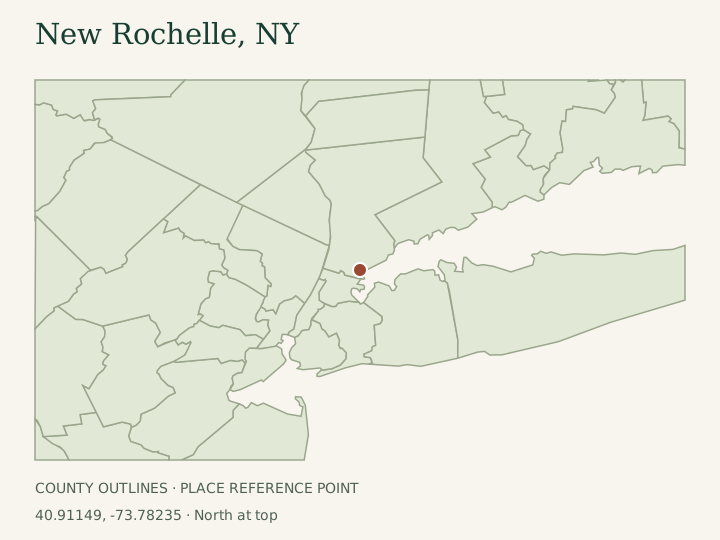
Great-circle distances between GeoNames place points, not driving distances or service coverage. Showing up to eight nearest published guides.
Preparing your local map…
The map loads automatically as you approach it. City links work without JavaScript.
Distances between GeoNames place points, not driving distances or service coverage. US Census January 2025 state/county boundaries, not municipal limits. Points: GeoNames, CC BY 4.0. Map interface: Leaflet.