
Tree services in Bowling Green, KY
Plan removal, tree trimming or fallen-tree cleanup using the local checks below. For service scope, start with tree removal, trimming and pruning or storm damage work.
Tree services in Bowling Green



Kentucky local tree-work decisions
In Bowling Green, start by identifying the tree’s owner and the local decision you need: assessment, pruning, removal or disposal. Bowling Green's public-tree removal provision requires City approval for removal or other major work beyond its stated routine-maintenance exception.
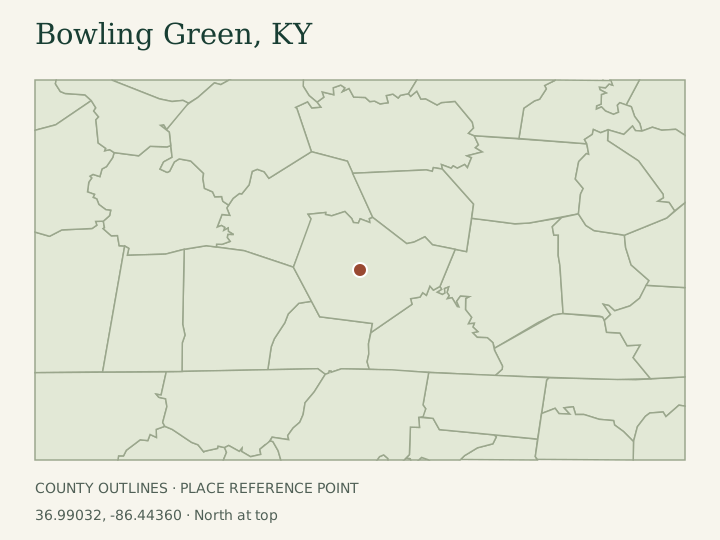
Establish the local authority and project conditions
Bowling Green's public-tree removal provision requires City approval for removal or other major work beyond its stated routine-maintenance exception. Its finish requirements go further than simply severing the trunk: the provision calls for stump removal, refilling to ground level and reseeding or other appropriate planting, along with avoiding damage to City or third-party property. Ask the City to classify the actual tree and approved operation before seeking prices. A public-tree rule does not settle every privately located tree or development landscape. Where it applies, place the required finish in each bidder's scope so a cutting-only proposal is not compared with a complete authorized removal. See the source instructions for the stated scope.
Separate private care from public-tree work
Bowling Green's Tree Advisory Board provides local tree-care resources and a route to its tree-removal request information. Public Works Operations identifies dead-tree removal and maintenance within public rights-of-way among its responsibilities. Use those routes when a proposed pruning job involves public space instead of assuming adjacent ownership authorizes the work. Have the assessor explain the retained-tree objective, species considerations and any alternatives to removal; the Board's educational role is not a substitute for inspecting a damaged tree. If the proposal is major public-tree work, have the City establish its approval requirements. Keep root and surface protection explicit where equipment shares a sidewalk or frontage. See the source instructions for the stated scope.
Choose an eligible destination before leaving wood
The City's March 29, 2021 brush video identifies Scott Waste as the collection contact and describes a limited prepared-brush route. It is a dated reference, not a current admission or schedule guarantee. The notice describes short bundled or contained limbs, a six-inch diameter cap and a weekly volume allowance; have the current operator confirm preparation and account eligibility before relying on it. Large removals, logs, stumps and contractor-generated loads need their own acceptance answer. If the operator does not confirm the exact material and transporter, choose a full-hauling estimate with a named receiver. Loose-leaf pickup and public right-of-way debris work do not establish a whole-tree disposal benefit. See the source instructions for the stated scope.
Keep routine arrangements distinct from storm response
Bowling Green Operations handles public right-of-way maintenance, including dead trees and debris, and drainage-system work. Following damage, report the public location and distinguish it from private tree condition and private cleanup. That department role does not mean an owner can put every storm load in public space or authorize a contractor to remove a City tree. Use emergency responders for immediate danger and the actual serving utility for line involvement. After assessment, ask the City about any required public-tree approval and current incident arrangements. Retain the debris receiver's confirmation separately, particularly when the disposal assumption comes from the old 2021 brush notice. See the source instructions for the stated scope.
Choose the right request and compare written scopes
If the condition of a tree is undecided, request an assessment before buying a predetermined removal. Identify whether the next step is retention advice, pruning, approved removal or hauling material that is already safely detached. Give bidders the same tree labels and access information, then request written inclusions for cutting, material transport, stump work and restoration. Confirm insurance and any required credentials directly. Keep the responsible authority’s instructions with the accepted scope, and record who addresses each excluded item. The linked quote-comparison guide develops this purchase checklist; the local sections here establish the municipal decisions that must come first.
A Bowling Green work-brief example
Use this as a planning example, not a report of a completed job. For a hypothetical public frontage tree, first obtain the City's classification and review the removal finish before comparing bids. A contractor quoting cutting alone may omit the stump, refill and replanting required for approved public-tree removal. Separately verify the current brush operator; an old video is useful context but cannot confirm today's paid load.
Use the guide for the actual municipality
For a property in Hendersonville, use the Hendersonville tree-work overview to check that jurisdiction before transferring this plan. Hendersonville is in Tennessee, with its own Planning and limb-collection procedures rather than Bowling Green’s Kentucky public-tree rules. The location of the property determines the applicable procedure; these neighboring guides do not establish shared rules or provider coverage.
Before accepting the scope
- Authority: Bowling Green Public Works and the City Tree Advisory Board: identify the tree, project and applicable decision.
- Scope: List assessment, pruning or removal separately from hauling and ground work.
- Access: Agree protection for surfaces, retained roots and shared routes.
- Material: Confirm the actual receiver, load category, transporter and collection date.
Questions about this work
Which local question should I resolve first?
Identify the property and the tree’s public or private status, then ask Bowling Green Public Works and the City Tree Advisory Board about the relevant local process. Owner permission, a professional recommendation and an authority decision are separate.
Can I leave all removal material for routine collection?
Use the specific local material category and account eligibility. The City's March 29, 2021 brush video identifies Scott Waste as the collection contact and describes a limited prepared-brush route. Ask the operator about large wood, stumps, contractor loads and the intended date before accepting an estimate that leaves them.
How do I compare companies without a local price claim?
Give bidders the same tree labels, authority information, access constraints and desired finish. Request itemized written scopes and verify insurance and required qualifications directly. The comparison should resolve differences in work and cleanup before comparing totals.
Sources and scope
Checked: October 26, 2026. Procedures follow the named municipality. State guidance, county receiving information and operator instructions retain their stated geography and eligibility. Dated documents are identified in the text; confirm current requirements for the actual property and load. Work-brief examples are hypothetical planning aids. No site inspection, individual contractor verification or receiver admission has been completed for your project.
Nearby field guides
Great-circle distances between GeoNames place points, not driving distances or service coverage. Showing up to eight nearest published guides.
Preparing your local map…
The map loads automatically as you approach it. City links work without JavaScript.
Distances between GeoNames place points, not driving distances or service coverage. US Census January 2025 state/county boundaries, not municipal limits. Points: GeoNames, CC BY 4.0. Map interface: Leaflet.